How to Use AI for Follow-Up Emails
The follow-up is where replies and deals are won, and where most people freeze or nag. A tested system for using AI to follow up that earns a reply instead of an unsubscribe.

Eddie Ochieng
April 3, 2026· Updated Jul 13, 2026
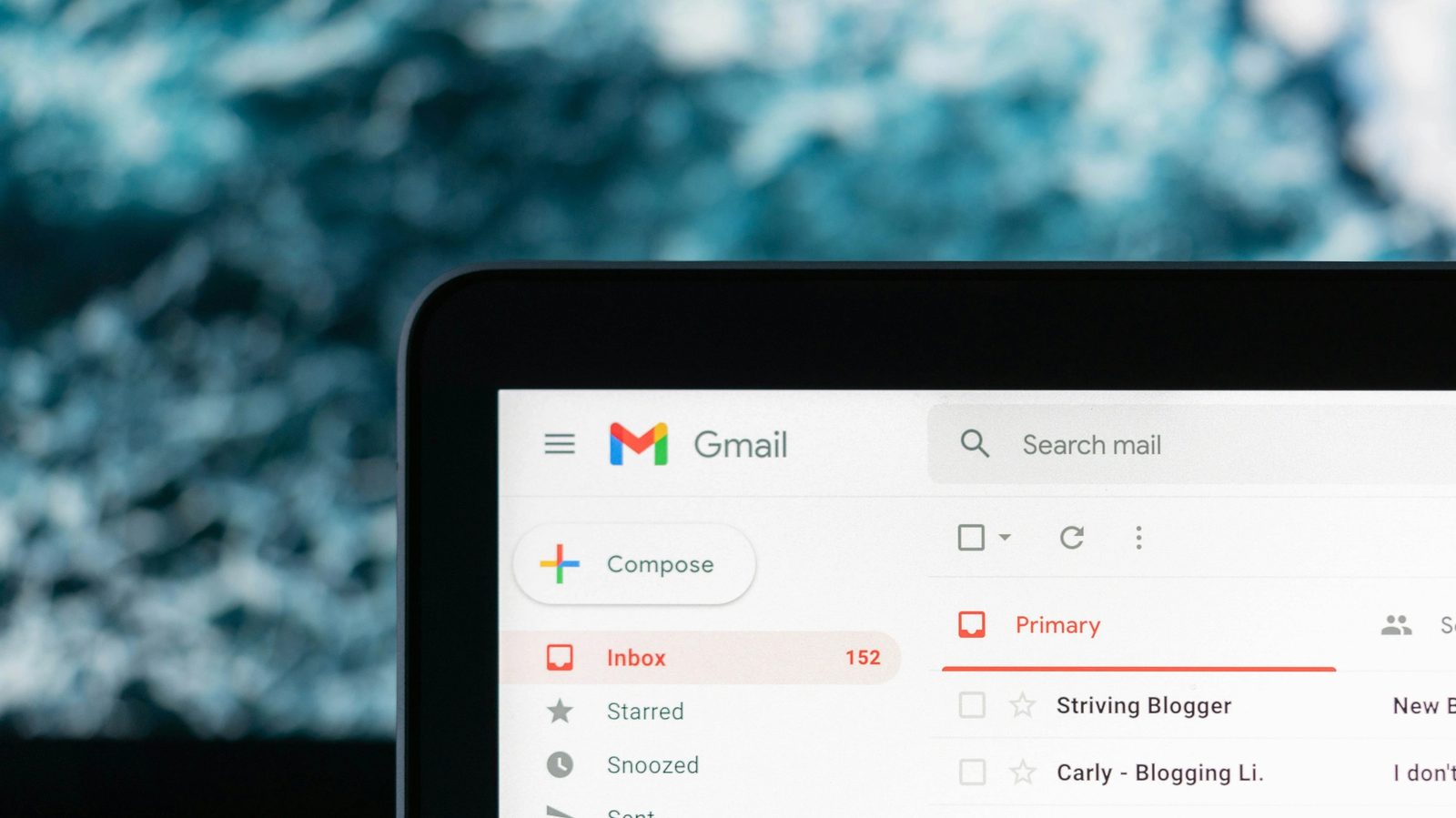
Most follow-ups fail one of two ways, they never happen, or they are a content-free "just bumping this to the top of your inbox." AI fixes both, it remembers, and it can turn a nag into a message that actually gives the other person a reason to reply. The trick is to keep your hand firmly on the wheel, because the same tools that make a good follow-up effortless make a bad one effortless too.
Done right, AI-assisted follow-up is the difference between a 20% reply rate and a 5% one. Done wrong, it is the difference between a healthy sending domain and one that lands in spam.
How we compared
We looked at what each tool documents, what it costs, and what people who send follow-ups for a living consistently report about what earns a reply and what gets marked as spam. Prices are the latest public list as of mid-2026.
Who this is for
- Salespeople and founders chasing leads and deals.
- Freelancers chasing proposals, invoices and feedback.
- Recruiters and partnerships people running outreach.
- Anyone who keeps meaning to follow up and never does.
A follow-up that earns a reply
The best follow-ups add something, a relevant article, a new angle, a genuinely useful resource, or a crisp restatement of the value with a clear next step. Ask AI to "write a follow-up that gives them a reason to reply, not just a reminder, " and feed it the previous message so it builds on the thread instead of repeating it. The result is reliably better than the "circling back" reflex most of us default to.
- Feed it the previous email so the follow-up references it specifically.
- Ask for value-add, not a bump, a resource, an angle, a clear next step.
- Request three lengths, one line, short, and detailed.
- Keep your own voice in the opening line; let AI handle the body.
- Tell it the relationship and tone, a warm lead and a cold one need different messages.
Timing and cadence
Knowing what to send is half of it; knowing when is the other half. AI is genuinely useful for planning a sensible cadence and drafting the whole sequence at once, so you are not agonising over each message in the moment.
| Tool | Price | Best for |
|---|---|---|
| ChatGPT / Claude | $0-$20/mo | Drafting tailored follow-ups |
| Gmail + Gemini | incl. in Workspace | Drafting + scheduling in place |
| lemlist / Instantly | ~$30-59/mo | Sales sequences at scale |
The system that works
Ask the AI to draft the whole sequence at once, initial, +3 days, +7 days, +14 days, each adding something genuinely new. You approve all of them up front, then just hit send on schedule instead of re-agonising over every message in the moment.
Where it goes wrong
Fully automated outreach tools make it trivial to send 500 "personalised" follow-ups that are obviously not personal, same structure, same fake-warm opener, same merge-field name. That is exactly how you land in spam folders and burn a sending domain's reputation, which is expensive and slow to repair. Scale the reminders and the drafting; do not scale the sending past the point where each message is genuinely meant.
The deliverability angle most people ignore
Volume and sameness are what spam filters punish. A handful of genuinely tailored follow-ups a day from a warmed-up address will outperform hundreds of templated ones, and keep your domain healthy. AI should make each message better, not just make more of them.
+ Pros
- + Drafts value-adding messages, not just bumps
- + Plans a sensible multi-step cadence
- + Remembers and schedules for you
- + Adapts tone to the relationship
- + Writes the whole sequence in one go
– Cons
- – Easy to scale into spam
- – Sounds templated if over-automated
- – Can misjudge tone without context
- – Volume sending risks your domain reputation
Common mistakes
- Automating volume instead of improving quality.
- Sending follow-ups that just "bump" with no new value.
- Letting a tool send messages you have not read.
- Ignoring deliverability, too many, too fast, from a cold domain.
- Using the same templated opener for warm and cold contacts alike.
A good follow-up gives someone a reason to reply. A bad one just reminds them you want something. AI makes both effortless, choose which one you scale.
The bottom line
Use AI to draft follow-ups that add value, to plan the cadence, and to remember to send, that is where it shines. Keep the judgement, the personal opening line, and the send button for yourself. Draft the sequence with AI and schedule it, but review each message, keep volume human, and always give people an easy way out. Do that and you will follow up more and annoy people less, which is the entire goal.
The catch
Automated sequences feel efficient and read as spam when overdone. Keep volume genuinely human, always offer an easy opt-out, and never let a tool send follow-ups you have not seen.
FAQ
How can AI help with follow-up emails?+
It drafts messages that add value instead of just bumping, plans a sensible cadence, and remembers to send. Keep the judgement and the send button yourself.
Will AI follow-ups sound spammy?+
Only if you automate volume and send raw. A tailored, value-adding follow-up that references the previous message reads as thoughtful, not spam.
Should I automate the whole follow-up sequence?+
Draft the sequence with AI and schedule it, but review each message. Fully hands-off bulk sequences are the fastest route to the spam folder.
How many follow-ups is too many?+
Quality over count. A few genuinely useful follow-ups beat a long automated chain. Always include an easy way to opt out, and stop when value runs out.
What should a good follow-up actually say?+
It should add something, a resource, a new angle, a clear next step, and reference the previous message. Avoid the content-free "just circling back."
Do outreach tools like lemlist hurt deliverability?+
They can, if you blast high volumes of templated mail from a cold domain. Used carefully, warmed domain, low volume, genuine personalisation, they are fine.