◉ the test card · about
About The Test Card
We decode the AI tools so you don't have to.
Who We Are
The Test Card is where you find out which AI tools are actually worth it. We dig through the pricing, the documentation and the weight of user experience, then say plainly what saves time and what is just hype. As AI quietly rewires how we work, we cut through the noise with researched comparisons and honest verdicts.
We're not a press-release feed and we're not here to sell you the future. We're a small, human outfit that reads the fine print, compares the options properly, and tells you what we would actually pay for, for readers who want the real picture, not the brochure.
We are straight about our method, and about its limits. Read exactly how we evaluate tools, including what we do not yet do.
We also build free, no-sign-up tools on top of our verified pricing data: a pricing and free-tier comparison, a recommender that matches tools to what you are trying to do, and a subscription auditor that tallies what you already pay and shows where to trim.
Our Mission
To help everyone make sense of the AI age, not just the people building it. We compare the tools, weigh the options, and explain what's actually worth your time, in plain language, and with a point of view.
Honest Verdicts
Clear, researched verdicts on the AI tools you actually use
Sharp Opinion
Deep reads on where tech is going, and who it's really for
Reader First
Built for curious humans, not the hype machine
What We Cover
Writing & Content
AI for drafting, editing, email and everything wordy
Coding & Dev
AI pair-programmers and developer tools, put through their paces
Productivity & Workflow
Automation, tasks and team tools that claw back hours
Comparisons & Reviews
Head-to-head verdicts: which AI tool actually wins
Meet Our Team
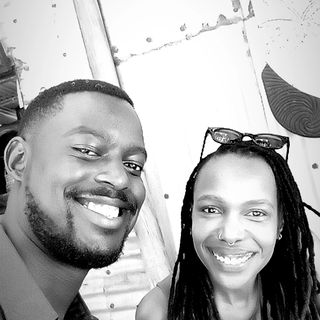
Eddie Ochieng
Eddie Ezekiel Ochieng is a software developer and the editor of The Test Card. He has been writing code since 2016 and has spent the last six years building production web applications for clients, work that runs from a non-profit’s platform to a community dictionary and a personal-safety service. He builds mostly in TypeScript, React and Next.js, with Node, Python and PostgreSQL behind them.
He started The Test Card out of mild irritation. Most AI tool coverage is written by people who never ship anything and never have to live with a bad tool choice. He does. The question that interests him is the practical one, which of these tools survive contact with real work, and which are just a subscription you forget to cancel.
He is not an AI researcher and does not pretend to be. What he brings instead is a builder’s scepticism, a habit of actually reading the documentation and the pricing page, and a bias toward simplicity over novelty. Good software, as he puts it, should feel as good as it works.